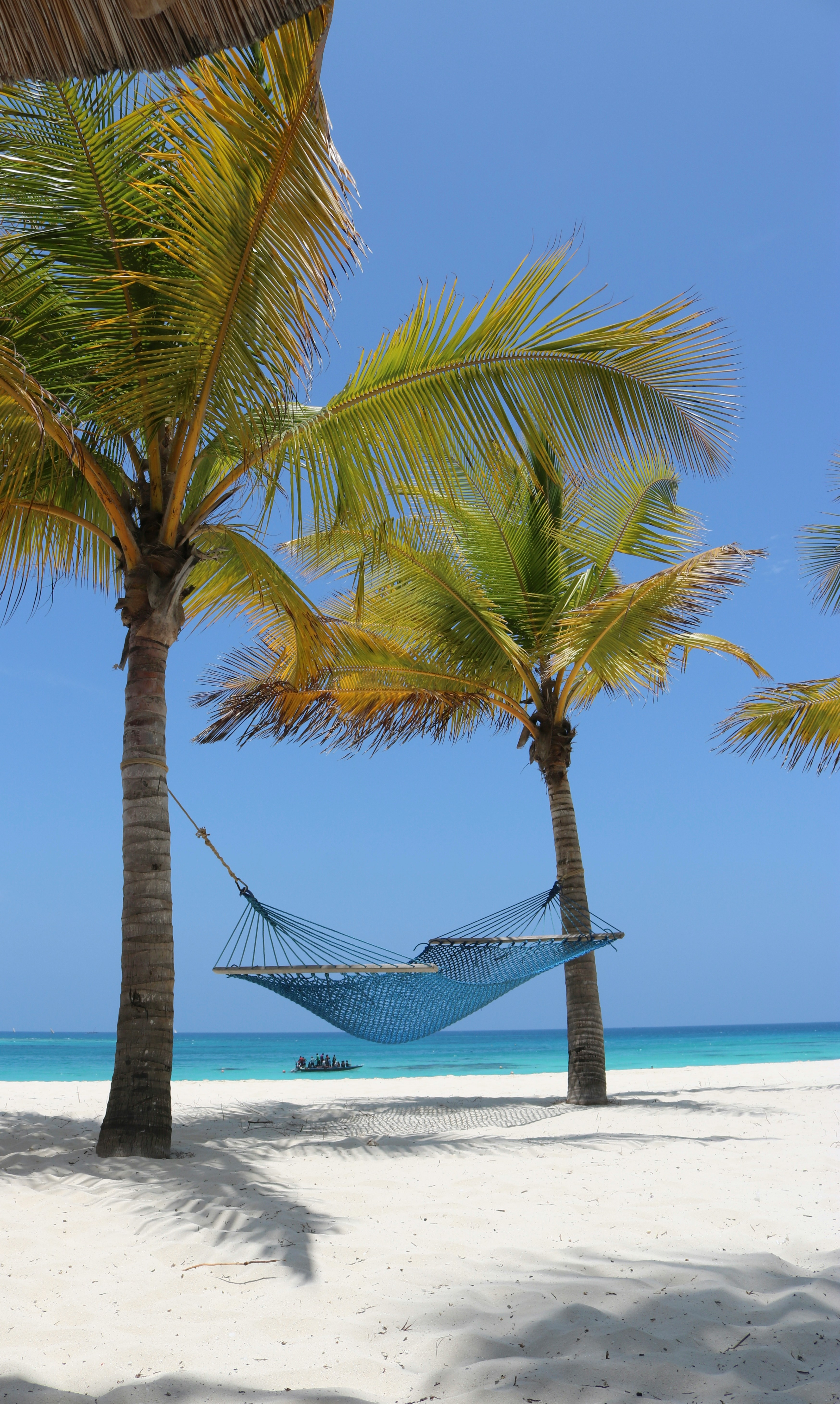
Zanzibar Travel Costs & Insurance Guide 2026 – Budget for Your Trip
Zanzibar, a jewel in the Indian Ocean, beckons travelers with its stunning beaches and rich culture. Planning a trip to this paradise in 2026 requires careful budgeting. Understanding Zanzibar travel costs and insurance options is crucial for a smooth journey.
This guide covers Zanzibar trip costs, daily budgets, accommodation, flights, and Zanzibar travel insurance costs. Whether you're a budget traveler or seeking luxury, we break down Zanzibar vacation costs to help you plan.
Prepare to explore vibrant markets, indulge in local cuisine, and relax on pristine beaches. With our tips, your Zanzibar adventure will be both affordable and unforgettable.
Turn This Guide Into a Personal Itinerary
Want a custom day‑by‑day plan? Our free Smart Trip Planner builds a complete Zanzibar itinerary tailored to your dates, budget, and interests — in seconds.
Try the Smart Trip Planner Free & Instant — No Sign‑UpZanzibar Travel Costs, Tips, and 7-Day Zanzibar Itinerary
Plan your dream trip to Zanzibar with confidence. This comprehensive guide covers everything from daily budgets and visa requirements to the best places to stay and a detailed 7-day itinerary.
What to Know Before You Go
Zanzibar offers an enchanting blend of history, culture, and natural beauty. Before you embark on this adventure, it's important to know what to expect. From seasonal weather variations to cultural norms, being informed will enhance your experience.
The best time to visit Zanzibar is during the dry season, from June to October. During this period, you can enjoy sunny days perfect for beach activities and exploration. In contrast, the rainy season might limit some outdoor plans, but offers fewer tourists and lower prices.
Understanding local customs is also essential. Modest dress is appreciated, particularly in Stone Town and other cultural sites. Swahili is the local language, although English is commonly spoken in tourist areas.
Here are some essentials before you go:
- Obtain a Tanzania eVisa online prior to your departure. Check visa requirements and visa fees before applying.
- Ensure your travel insurance covers medical emergencies and cancellations.
- Check travel advisories for any updates or changes.
- Visit Zanzibar Commission For Tourism for official tourism information.

Zanzibar Travel Costs at a Glance
Daily Expense Breakdown (Typical Ranges)
Knowing these basic costs can help you plan and enjoy Zanzibar within your means.
Visas & Entry Requirements
Flying to Zanzibar is straightforward with many options. International flights arrive at Abeid Amani Karume International Airport. Direct flights are available from various major cities, especially within Africa and the Middle East.
Securing a Tanzania eVisa is essential for most travelers. The eVisa process is simple and can be completed online. It typically costs around $50, and approval can take up to two weeks, so plan ahead.
Visa requirements may vary, so always check the latest travel advisories before departure. Ensure your passport is valid for at least six months beyond your stay. Travelers from the United States and many other countries can apply for an ordinary visa or entry visa online.
Entry Essentials
- Valid passport (6+ months validity)
- Printed eVisa confirmation
- Proof of onward travel (return flight ticket)
- Proof of accommodation (hotel booking confirmation)
Being prepared with these documents ensures a smooth start to your Zanzibar adventure. For official Tanzania immigration information, visit the government portal.
What to Look For
- Medical Coverage: At least $50,000 – $100,000 for medical expenses.
- Medical Evacuation: Coverage for emergency transport to a suitable hospital.
- COVID-19 Coverage: Many policies now include pandemic-related cancellations and medical care.
- Adventure Sports: Ensure your policy covers snorkeling, diving, kitesurfing, and boat trips.
- 24/7 Emergency Assistance: Access to a global helpline for emergencies.
What's Usually Not Covered
- Pre-existing medical conditions (unless declared and accepted).
- Travel to high-risk areas or activities not declared.
- Reckless behavior, accidents while under the influence of alcohol or drugs.
- Items left unattended or unsecured.
Always read your policy's fine print and declare any pre-existing conditions before purchasing.
Popular Providers (Examples)
- Coverage for 180+ countries
- Medical + evacuation included
- Works for remote workers
- 40+ adventure activities covered
- Medical + evacuation + baggage
- 24/7 emergency support
- Cancel for any reason upgrade
- Medical + evacuation + baggage
- Pandemic coverage included
- Visa-compliant coverage
- Covers COVID-19
- Purchase online before arrival
Where to Stay in Zanzibar
Finding the perfect place to stay in Zanzibar is part of the fun. Zanzibar offers a wide range of accommodations to suit every budget. From rustic hostels in Stone Town to luxurious resorts in Kendwa, choices abound.
Budget travelers can find affordable guesthouses and backpacker hostels. These options are perfect for meeting fellow adventurers. Mid-range hotels offer comfort without breaking the bank, often located near popular attractions.
For those seeking luxury, private beach villas and high-end resorts are available. These accommodations often provide all-inclusive packages with world-class amenities. Imagine waking up to the sound of waves and enjoying gourmet meals.
Popular areas to consider staying include:
- Stone Town: Perfect for history lovers
- Nungwi: Offers vibrant nightlife
- Kendwa: Known for stunning beaches
Each area has its unique charm and can cater to various interests. The right accommodation will enhance your Zanzibar experience, creating unforgettable memories.
Getting There & Around
Navigating Zanzibar is an adventure in itself. Options range from local buses, known as "dala-dalas," to private taxis. Each choice offers a unique glimpse into local life.
Taxis provide comfort and convenience, especially for first-time visitors. Always agree on the fare before starting your journey. Alternatively, consider renting a car for greater flexibility.
If you're seeking a more authentic experience, try public transport. It's economical and gives insight into the daily lives of locals. Keep small change handy for bus fares.
Consider these transportation tips:
- Taxis: Negotiate fares in advance
- Dala-dalas: Budget-friendly but crowded
- Car rentals: Check for damage before renting
Traveling around Zanzibar reveals its lush landscapes and warm hospitality, making every journey memorable.
Ferry Travel: Dar es Salaam ↔ Zanzibar
The ferry is the most popular and affordable way that we travel between mainland Tanzania (Dar es Salaam) and Zanzibar. Multiple high-speed catamarans operate daily, offering a comfortable and scenic journey across the Indian Ocean.
Main Operators
- Azam Marine – The largest and most reliable operator, with multiple daily departures.
- Zan Fast Ferries – Operates modern vessels with business and VIP class options.
Schedule & Duration
- Travel Time: Approximately 1 hour 40 minutes to 2 hours, depending on the vessel and sea conditions.
- Daily Departures: Ferries run every day, with the first departure around 7:00 AM and the last around 4:00 PM (from Zanzibar) or 4:30 PM (from Dar). There are usually 4–5 departures per day.
- No Night Ferries: Services operate only during daylight hours for safety reasons.
- Weather Note: Rough seas during the rainy season (March–May) can cause delays or cancellations. Always check the forecast before traveling.
Ticket Prices (One-Way; Approx.)
Prices are approximate in USD and may vary by operator, season, and booking time. Check online for the latest rates.
Terminals
- Dar es Salaam: Dar es Salaam Ferry Terminal (near the city center, close to the fish market).
- Zanzibar: Zanzibar Ferry Terminal (in Stone Town, easily accessible from hotels).
Luggage Policy (Typical)
- Checked Baggage: Up to 20 kg included in the ticket price.
- Hand Luggage: Up to 7 kg per passenger.
- Excess baggage may incur additional fees.
Booking & Travel Tips
- Book in Advance: Especially during peak tourist seasons (June–October, December–January), tickets sell out quickly. Use online platforms like Ferryscanner, Direct Ferries, or 12Go to compare and book.
- Arrive Early: Reach the terminal at least 1 hour before departure for check-in and security.
- Onboard Facilities: Most ferries offer air‑conditioning, restrooms, and snack bars. Business/VIP classes often include complimentary drinks and meals.
- Cash & Cards: Tickets can be bought online or at the terminal, but having some Tanzanian Shillings (TZS) for port fees or snacks is advisable.
Food & Drink
Experiencing Zanzibar's culinary scene is a must for any traveler. The island's food is a melting pot of African, Arab, and Indian influences. Seafood dominates the menu, with fresh catches from the Indian Ocean being a highlight.
Street food offers a budget-friendly way to taste local flavors. Try "Zanzibar pizza" or grilled skewers from market stalls. Meals at mid-range restaurants generally range from $5 to $15.
For drinks, fresh coconut water and spiced coffee are popular. Alcoholic beverages are available, but prices vary widely. Budget $2 to $8 for local drinks.
Here's a rough breakdown of daily expenses:
Capturing the essence of Zanzibar's food culture enriches your travel experience. Remember to savor every bite of the exotic flavors the island offers!
Safety & Health
Zanzibar is generally a safe destination for travelers. However, like any trip, being cautious helps ensure a worry-free experience. Staying aware of your surroundings is a good habit.
Before traveling, check health recommendations, including vaccinations. Malaria prevention is particularly important. Consult a health professional for advice specific to the region.
Consider these safety tips for a smooth journey:
- Keep valuables secure: Use hotel safes or money belts.
- Health precautions: Drink bottled water to avoid stomach issues.
- Local customs: Dress modestly, especially in rural and religious areas.
By following simple guidelines and being prepared, you can enjoy all that Zanzibar has to offer with peace of mind.
Environment & Responsible Travel
Zanzibar's natural beauty is its greatest asset. The island is surrounded by one of the most biologically diverse marine environments in the world. However, climate change and overtourism pose real threats to coral reefs and marine life. Here is how you can travel responsibly:
The Marine Ecosystem
The warm Indian Ocean waters host vibrant coral reefs, home to over 500 species of fish. Mnemba Atoll is a protected marine reserve where you can snorkel with hawksbill turtles and reef sharks. Always apply reef-safe sunscreen to prevent coral bleaching.
Jozani Chwaka Bay National Park
This park is the last remaining natural forest on the island and protects the endangered Red Colobus monkey. Your entrance fees directly fund the conservation of this unique primate and their habitat.
Leave No Trace
Plastic pollution is a serious issue on local beaches. As a tourist, carry a reusable water bottle, refuse single-use plastics, and always dispose of waste properly. Support eco-conscious hotels that actively participate in beach clean-ups.
Best Time to Visit Zanzibar
The island enjoys a tropical climate. To maximize your time, you must choose your travel dates based on the rainy seasons.
Dry & Pleasant. Perfect weather for beaches, safaris, and exploring Stone Town.
Hotter days but clear skies. Great for diving and kitesurfing.
Wettest months. Heavy downpours, but resorts are significantly cheaper.
Light showers. A good alternative for budget travelers without the extreme heat.
Sample 7-Day Zanzibar Itinerary (With Estimated Budgets)
Embark on a week-long journey in Zanzibar, filled with adventure and relaxation. This itinerary provides a perfect balance of cultural exploration and beach time.
🏛️ Arrival and Stone Town Exploration
Arrive in Zanzibar and settle into your accommodation in Stone Town. Spend the day wandering through historic sites and museums.
Highlights:
- Visit the House of Wonders
- Explore the Old Fort
- Stroll through Forodhani Gardens
Estimated daily budget: $70
🌿 Spice Tour and Local Cuisine
Embark on a morning spice tour. Learn about Zanzibar's rich history in spice trade. In the afternoon, savor local cuisine in a traditional Swahili restaurant.
Highlights:
- Spice farm tour
- Dining at a local eatery
Estimated daily budget: $65
🐒 Jozani Forest and Prison Island
Visit Jozani Forest Reserve, home to the Red Colobus monkey. Later, take a boat trip to Prison Island, noted for its tortoise sanctuary.
Highlights:
- Jozani Forest guided walk
- Prison Island giant tortoises
Estimated daily budget: $80
🏖️ Nungwi Beach Relaxation
Head to Nungwi for pristine beaches and azure waters. Enjoy water sports or simply bask in the sun.
Highlights:
- Swimming at Nungwi Beach
- Optional diving or snorkeling
Estimated daily budget: $60
🌺 Cultural Day in Kendwa
Spend a day in Kendwa, experiencing Zanzibar's vibrant culture. Attend a local music or dance performance.
Highlights:
- Authentic cultural events
- Beach picnic
Estimated daily budget: $75
🐠 Mnemba Atoll Diving Adventure
Dive into the colorful marine life at Mnemba Atoll. It's a diver's paradise with diverse species to observe.
Highlights:
- Scuba diving trip
- Tropical fish and coral reefs
Estimated daily budget: $90
🛍️ Shopping and Departure
Spend your final day shopping for souvenirs in Stone Town. Explore local markets before heading to the airport.
Highlights:
- Shopping in Darajani Market
- Farewell local meal
Estimated daily budget: $60
💡 This itinerary balances activity and leisure, ensuring a memorable Zanzibar experience.
Essential Zanzibar Travel Tips
Traveling to Zanzibar doesn't have to break the bank. With a few savvy strategies, you can enjoy your vacation while staying within budget. Eating at local restaurants, for instance, offers delicious experiences at a fraction of the cost.
Being a responsible tourist is also crucial. Respect local customs and dress modestly in culturally sensitive areas. By doing so, you help preserve Zanzibar's rich heritage and culture.
Finally, support businesses focused on sustainability. This includes choosing eco-friendly tours and accommodations. These practices help maintain the island's delicate environment and ensure it remains a stunning destination for future visitors.
Tips for a budget-friendly, responsible trip:
- Dine at local eateries
- Use public transport or shared taxis
- Opt for eco-friendly accommodations and tours
Using these tips, you not only save money but contribute positively to the community.
Local Etiquette & Travel Safety
- Respect Swahili Culture: Zanzibar is predominantly Muslim. Dress modestly when entering Stone Town or local villages. Women should cover their shoulders and knees in public places.
- Learn basic Swahili: "Jambo" (Hello), "Asante" (Thank you), and "Karibu" (Welcome) will earn you huge smiles and respect from locals.
- Be mindful of your belongings: While Zanzibar is very safe, always keep an eye on your personal items on crowded beaches and in the markets. Avoid walking alone at night in dimly lit areas.
- Tap Water: Do not drink the tap water. Always buy bottled water or use a purifier to avoid stomach bugs.
Quick FAQ
- Cheapest months to visit? April, May, and November (rainy seasons) offer the best hotel and flight deals — up to 40% cheaper than peak season.
- Are credit cards accepted? Larger hotels, resorts, and upscale restaurants accept cards (Visa, Mastercard). However, always carry cash for markets, local shops, and small vendors.
- Tipping in Zanzibar? 10%–15% is appreciated in restaurants and for services. Round up taxi fares and tip tour guides generously for good service.
- Is Zanzibar safe? Yes, Zanzibar is generally very safe for tourists. Use common sense, secure your valuables, and avoid isolated areas at night.
- Do I need a yellow fever vaccine? If you're traveling from a country with yellow fever transmission (including many African and South American countries), you'll need a yellow fever vaccination certificate to enter Tanzania.
- What's the internet like? Wi-Fi is widely available in hotels and cafes, but speeds can be slow, especially during peak usage. Consider getting a local SIM card for reliable mobile data.
- Can I drink the alcohol? Yes, alcohol is available at hotels, resorts, and licensed restaurants. Local beers include Kilimanjaro, Serengeti, and Safari. Prices range from $2–$5.
Q&A (At-a-Glance)
$50–$100/day for budget travel, $150–$250/day for mid-range, and $400+/day for luxury. Costs vary by season and activities.
Most travelers need a Tanzania eVisa ($50). Apply online at least 2 weeks before departure via the official portal.
At least $50k–$100k in medical coverage, emergency evacuation, trip cancellation, and adventure activity support.
Stone Town for culture and history. Nungwi/Kendwa for beaches and nightlife. Paje/Jambiani for kitesurfing and relaxation.
Fly into Abeid Amani Karume International Airport (ZNZ) or take the ferry from Dar es Salaam (1h40–2h).
June–October for perfect weather. January–February for hot but dry. Rainy months (March–May, November–December) are cheaper.
Frequently Asked Questions (Expanded)
Zanzibar Travel Cost FAQs
Budget travelers: $50–$100/day. Mid-range: $150–$250/day. Luxury: $400+/day. These include accommodation, meals, local transport, and activities.
Tipping is customary. 10%–15% is appreciated in restaurants. Round up taxi fares ($1–$2 extra). For tours, $5–$10 per person per day for the guide is standard.
Larger hotels, resorts, and upscale restaurants accept cards (Visa, Mastercard). However, many smaller businesses, local markets, and taxis are cash-only. Always carry enough cash.
April, May (long rains) and November (short rains) are the cheapest months. Prices drop by up to 40% compared to peak season (June–October, December–January).
Not at all! Street food costs $2–$5. Local restaurants average $10–$15. Upscale beachfront dining can cost $30–$60. There are options for every budget.
Zanzibar Travel Insurance FAQs
Yes, it is strongly recommended. Many visa applications require proof of insurance. It covers medical emergencies, trip cancellations, lost luggage, and evacuation.
Comprehensive policies cover medical emergencies (including evacuation), trip cancellation/interruption, lost or stolen luggage, emergency dental care, and adventure activities like snorkeling, diving, and kitesurfing.
Basic policies start around $30–$50 for a one-week trip. Comprehensive policies with adventure coverage range from $100–$400 depending on age, trip duration, and coverage limits.
Top options include SafetyWing for digital nomads ($56/month), World Nomads for adventure travelers ($100–$400), Allianz Travel for comprehensive coverage ($45–$120), and Tanzania's official Inbound Insurance ($30–$50), which is visa-compliant.
Yes, you can purchase insurance online at any time. However, some policies have a waiting period (24–48 hours) before coverage begins. It's best to buy before you travel.
Zanzibar Itinerary FAQs
Yes! 7 days is the perfect length to explore Stone Town, visit spice farms, relax on Nungwi Beach, snorkel at Mnemba Atoll, see the Red Colobus monkeys in Jozani Forest, and enjoy Paje's kitesurfing scene. The itinerary above balances culture, adventure, and relaxation.
For culture and history, stay in Stone Town. For luxury beaches and nightlife, choose Nungwi or Kendwa. For budget-friendly adventure and kitesurfing, choose Paje or Jambiani. The 7-day itinerary above includes stays in all three areas for a well-rounded experience.
Visa & Entry FAQs
Most travelers require a Tanzania eVisa. The visa fee is approximately $50 for a single entry visa. Multiple entry visas are also available for longer stays. Check official Tanzania immigration websites for current requirements based on your nationality.
A residence permit is only required for stays longer than 90 days or for work purposes. For standard tourist visits (up to 90 days), an ordinary visa is sufficient.
Yes, visas are available on arrival at Abeid Amani Karume International Airport. However, applying online for the eVisa is recommended to avoid queues and ensure smooth processing through Tanzania immigration.
Zanzibar Travel Adapter & Power Plugs
Zanzibar uses Type G (three rectangular pins, UK-style) and Type D (three round pins) sockets. The voltage is 230V at 50Hz, which is compatible with most European appliances (including Belgian Type C/E plugs) but the plug shapes are different. You will need a travel adapter. We recommend a universal adapter that supports Type G and Type D sockets. Check a highly-rated option on Amazon. Pro-tip: bring a power strip to charge multiple devices with one adapter.
Q&A
Short answer: Expect roughly $50–$100/day for budget travel (guesthouses, local meals, public transport), $150–$250/day for mid-range (comfortable hotels, tours, mixed dining), and $400+/day for luxury (resorts, private tours, fine dining). Costs shift with season — rainy months are cheaper but can bring disruptions. Location also matters: Stone Town is generally more affordable than beach resorts. Activity choices (e.g., diving, private tours) and availability significantly affect your final spend. The sample 7-day plan totals about $500 on the ground per person, which reflects a budget-friendly approach of roughly $70/day.
Short answer: Zanzibar follows Tanzania's entry rules. Most travelers apply online for a Tanzania eVisa (about $50) at least two weeks before departure via the official portal. Ensure your passport has 6+ months validity and carry printed eVisa confirmation, proof of onward travel, and proof of accommodation. Always check current requirements for your nationality before you go. If you're from a visa-exempt country, no visa is needed for stays up to 90 days.
Short answer: Choose a plan with $50,000–$100,000 in medical coverage, emergency evacuation, trip cancellation/interruption, baggage protection, COVID-19 coverage, and support for activities you plan (snorkeling, diving, or kitesurfing). Buy before your trip to start coverage immediately and help smooth any visa-related checks. Compare plans and limits to match your itinerary and budget. The official Tanzania Inbound Insurance ($30–$50) is visa-compliant and covers COVID-19.
Short answer: Pick based on interests: Stone Town for culture, history, walkable markets, and heritage sites; Nungwi & Kendwa for beautiful beaches, nightlife, and a wide range of resorts; Paje & Jambiani for a laid-back vibe and excellent kitesurfing. Options span budget guesthouses to luxury beach villas — book early for peak months. For a balanced trip, consider splitting your stay between Stone Town and one of the beach areas.
Short answer: Fly into Abeid Amani Karume International Airport (ZNZ) or take the Dar es Salaam ferry (1h40–2h). On the islands, use dala-dalas (minibuses) for budget travel; taxis offer convenience (always negotiate the fare); car rentals provide flexibility (from $40–$60/day). For the ferry, book ahead during peak season and arrive at least 1 hour before departure for check-in.
Short answer: The dry season (June–October) offers the best weather for beaches and exploring, with higher prices and more crowds. January–February is hot and dry — great for diving and kitesurfing. The long rains (March–May) bring heavy downpours but significantly lower hotel rates; short rains (November–December) mean lighter showers and good value. Visiting in the rainy months can save roughly 30–40% compared to peak season.
Don't just read about it—experience it!
Compare flights, find the best hotels, and secure your dream Zanzibar vacation today with ZanGo.